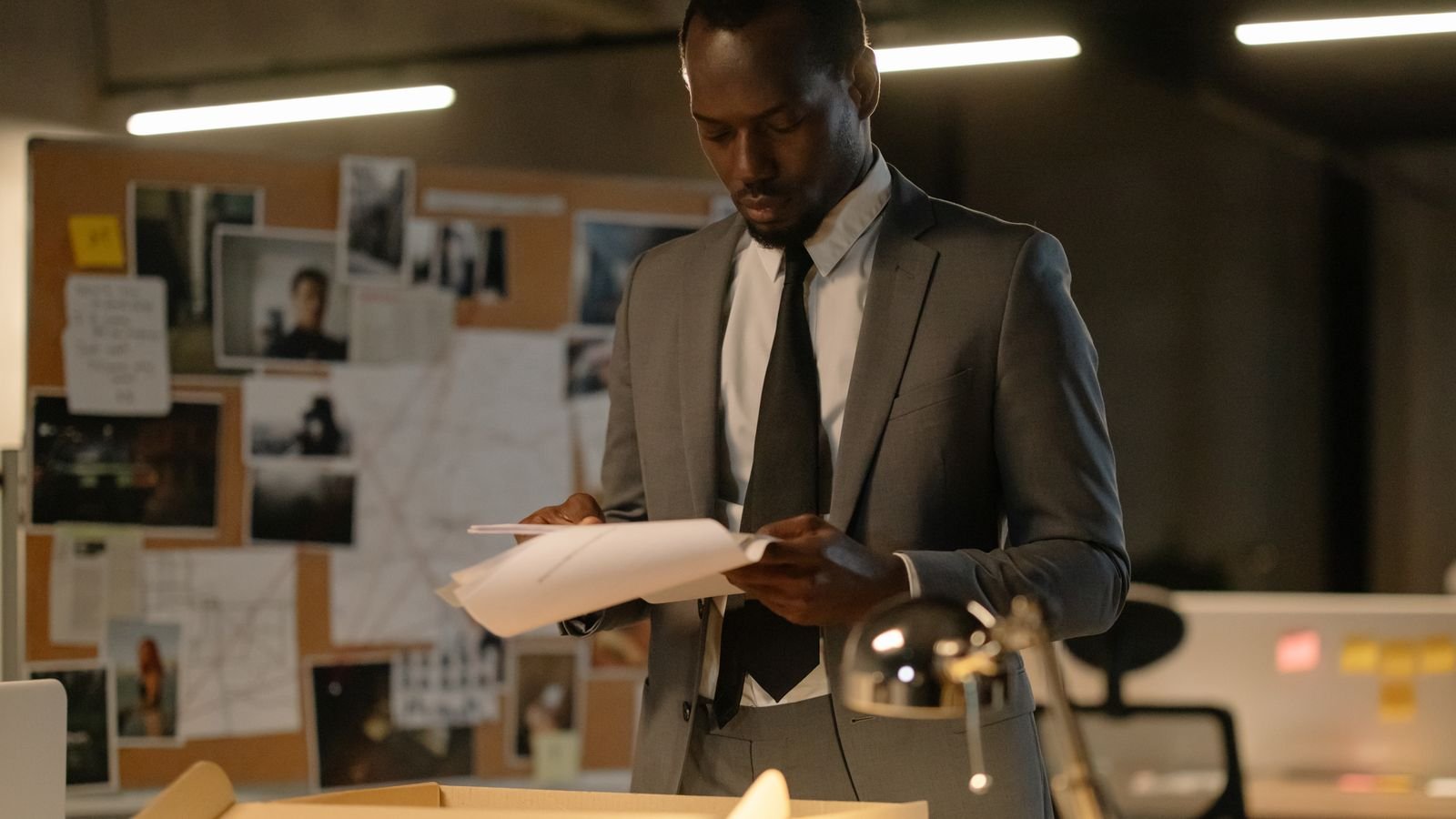
This investigation involved social media content and related digital records. The work focused on preserving volatile material, documenting its context, and correlating activity across accounts and evidence sources. Identities, findings, dates, jurisdiction, and outcome are intentionally withheld.
Evidence considered
The review included relevant profiles, posts, comments, direct messages, images, videos, usernames, timestamps, linked accounts, and available source information. Related email, cloud, computer, and mobile-device artifacts were considered when they could clarify chronology or account relationships.
Preservation before content disappears
Social media evidence can be edited, deleted, restricted, or separated from its original context. The collection process documented the visible content together with URLs, account identifiers, timestamps, surrounding context, and collection details. Screenshots were treated as leads or supporting records—not as a substitute for a documented forensic capture.
Cross-platform correlation
Manual investigative methods were used to compare usernames, profile details, reused images, posting patterns, writing characteristics, linked accounts, and communication timelines. Potential connections were evaluated across platforms and checked against available device, email, or cloud evidence rather than relying on a single indicator.
Authentication and reporting
Collected material was organized with sufficient context to explain what was preserved, where it came from, and how it related to other evidence. The report distinguished observed facts from analytical conclusions and documented relevant limitations.
Confidentiality
ROHOVOT does not disclose the client, subjects, account names, communications, specific findings, legal strategy, or outcome. This case study describes methodology only and does not publish or imply a result.