
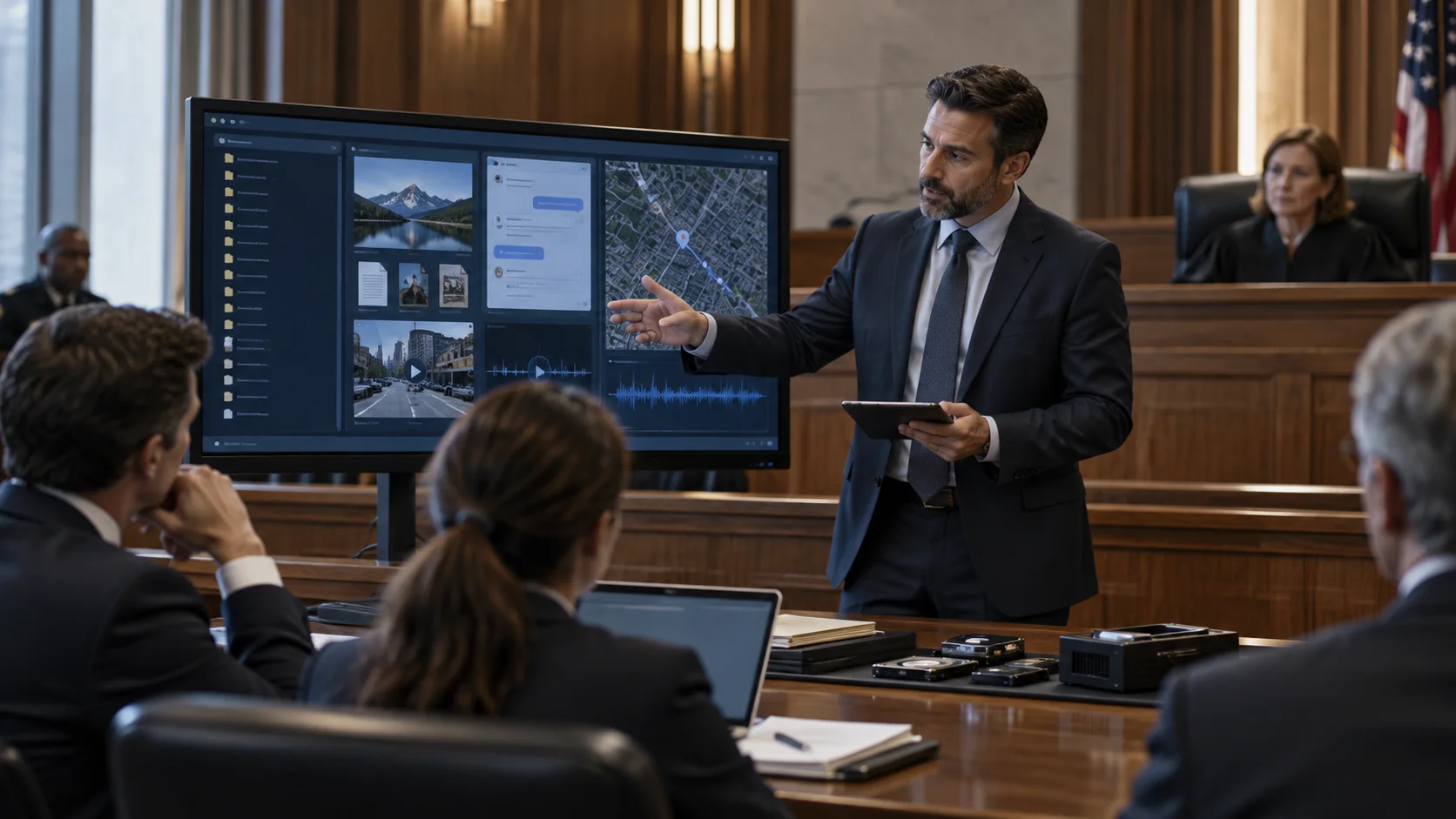
A digital evidence expert witness report is a written document prepared by a qualified expert that explains technical findings about electronic data—such as emails, files, logs, or device contents—in a way that a court, attorneys, and non-technical parties can understand. It typically includes the expert’s opinions, the basis for those opinions, and the methods used to examine the evidence. The report serves both as a communication tool and as a formal record that may be used in depositions, motions, or trial.
If you are involved in a dispute where digital evidence matters—such as a business dispute, employment matter, or family law case—understanding what goes into an expert report helps you ask better questions, avoid costly mistakes, and preserve evidence properly. This article explains the typical contents, the process, and the limits of such reports. It is general information, not legal advice; consult an attorney for guidance on your specific situation.
Why a Digital Evidence Expert Witness Report Matters
Courts require that expert testimony be based on reliable methods and relevant expertise. A well-prepared report demonstrates that the expert followed a defensible process, from evidence collection to analysis. It also gives the opposing side an opportunity to review the findings before trial, which is part of the discovery process. In many cases, the report itself becomes a key exhibit or the basis for settlement discussions.
Without a clear report, technical findings may be misunderstood or challenged as speculative. The report bridges the gap between raw data and legal relevance. For example, an expert might explain how metadata (information about a file’s creation or modification) supports or undermines a claim about when a document was altered.
What Goes Into a Typical Report
While formats vary by jurisdiction and case type, most reports share common sections. The following structure is typical, though the specific content depends on the engagement.
1. Identification and Qualifications
The report begins by identifying the expert, their role, and the party retaining them. It summarizes the expert’s relevant education, training, and experience. This section establishes the foundation for the expert’s opinions and is often scrutinized during cross-examination.
2. Scope of Engagement
Here the expert states what they were asked to do—for example, to determine whether a particular file was accessed on a certain date, or to examine a smartphone for evidence of deletion. Clearly defining the scope helps avoid overreach and keeps the analysis focused.
3. Materials Examined
The report lists the evidence items received, such as hard drives, mobile devices, cloud backups, or log files. It also notes any items that were requested but not provided, which can be important for completeness. Chain-of-custody documentation is often referenced here.
4. Methodology
This section describes the tools and procedures used. For digital forensics, that might include creating a forensic image (a bit-for-bit copy) of a device, using validated software to extract data, and verifying results. The goal is to show that the process was repeatable and did not alter the original evidence.
5. Findings and Observations
The expert presents factual observations—what was found, where it was located, and any relevant timestamps or metadata. This part is typically descriptive and avoids conclusions. For instance, the report might note that a file was created on a specific date and later modified, without yet interpreting what that means legally.
6. Opinions
Based on the findings, the expert offers opinions. These must be stated to a reasonable degree of professional certainty, as required by the court. Opinions might address authenticity, authorship, timeline reconstruction, or whether data appears to have been tampered with. The expert also explains the reasoning behind each opinion.
7. Limitations and Assumptions
Good reports acknowledge what the expert could not determine or what assumptions were made. For example, if a device was not properly preserved, the expert may note that certain conclusions are limited. This transparency strengthens credibility.
8. Exhibits and Appendices
Supporting materials—such as screenshots, data extracts, or hash values (digital fingerprints)—may be attached. These help illustrate the findings and allow others to verify key points.
The Process Behind the Report
Preparing a report is rarely a quick task. It usually involves several stages:
- Consultation and scoping: The expert meets with the retaining attorney or client to understand the legal questions and identify relevant data sources.
- Evidence preservation: The expert ensures data is collected in a forensically sound manner, often by creating images and documenting chain of custody. This step is critical because electronic evidence can be easily altered or lost.
- Analysis: Using specialized tools, the expert examines the data, searches for relevant artifacts, and tests hypotheses.
- Drafting and review: The expert writes the report, often with input from the legal team to ensure it addresses the necessary issues. The draft may be revised for clarity and accuracy.
- Disclosure and testimony: The report is provided to the opposing side as required, and the expert may later testify about it.
Throughout, the expert must maintain independence and objectivity. An expert who appears to advocate for one side may be less persuasive.
Practical Steps for Attorneys and Clients
If you are considering retaining a digital evidence expert, the following steps can help you get the most from the process:
- Preserve evidence immediately: Do not attempt to access or “clean up” devices or accounts. Contact an expert or your attorney before taking any action. Deleting files or resetting devices can destroy metadata and undermine your case.
- Document what you know: Keep a log of relevant events, dates, and people involved. This information helps the expert focus the examination.
- Clarify your legal questions: Work with your attorney to articulate what you need the expert to address. Vague requests can lead to broad, expensive examinations.
- Ask about methods and limitations: Inquire how the expert will handle the evidence and what they can and cannot determine. No expert can guarantee recovery of deleted data or definitively identify a person based on digital traces alone.
- Review the report carefully: Ensure the report is understandable and that the opinions are supported by the findings. Ask questions about anything unclear.
For matters involving cybersecurity incidents, such as a data breach, a digital forensics investigation may be necessary before an expert report can be prepared. Our cybersecurity services and digital forensics practice can assist with evidence preservation and analysis. If you need help locating or interviewing witnesses, a private investigator may be appropriate. For expert testimony, see our expert witness services.
Limitations and Cautions
Digital evidence is powerful but not infallible. Experts must contend with several challenges:
- Data can be altered or destroyed: Without proper preservation, evidence may be compromised. Even opening a file can change its metadata.
- Attribution is difficult: Determining who was at the keyboard at a given time is often impossible with certainty. Experts can sometimes infer likely users from account activity, but they generally cannot identify a specific person without corroborating evidence.
- Encryption and cloud services: Encrypted data may be inaccessible, and cloud-based evidence may be subject to third-party policies and jurisdiction issues.
- Tool limitations: Forensic tools are not perfect; they can miss artifacts or produce false positives. Experts should validate their tools and explain any known limitations.
- Legal standards vary: Admissibility rules differ by court and case type. An expert report that is acceptable in one jurisdiction may face challenges in another.
Because of these limitations, expert reports should be read with an understanding of what the expert was asked to do and what the evidence could reasonably support. Overstated conclusions can be damaging.
When to Seek Professional Help
You may benefit from a digital evidence expert witness report in situations such as:
- A dispute over the authenticity of a contract, email, or text message.
- Allegations of employee data theft or unauthorized access.
- Family law matters involving hidden assets or inappropriate communications.
- Intellectual property disputes where source code or design files are at issue.
- Cyber incidents where you need to understand how an intruder gained access.
In Southern California, courts in Los Angeles, Orange County, and San Diego handle many such cases. The procedures for expert discovery and testimony are similar across these jurisdictions, but local rules and judge preferences can vary. An experienced local expert can help navigate these nuances.
If you are unsure whether you need an expert, consult with your attorney. Early involvement of a forensic expert often saves time and money by ensuring evidence is preserved correctly from the start.
Frequently Asked Questions
What is the difference between a digital forensics report and an expert witness report?
A digital forensics report documents the technical examination and findings. An expert witness report is broader: it includes the expert’s opinions and is prepared for use in litigation, often following the forensic examination. In practice, the two may be combined, but the expert witness report is specifically structured to meet legal standards for admissibility.
Can a digital evidence expert witness report guarantee the outcome of my case?
No. An expert report provides information and opinions, but it does not guarantee any result. The outcome depends on many factors, including the quality of the evidence, the judge’s or jury’s assessment, and the overall legal strategy. A credible report can strengthen your position, but it is not a promise of success.
How long does it take to prepare a report?
The timeline varies widely based on the complexity of the case, the volume of data, and the availability of evidence. Simple examinations may take days or weeks, while complex cases can take months. It is best to engage an expert as early as possible to avoid delays.
What should I do if I suspect digital evidence has been deleted or tampered with?
Do not attempt to recover or investigate on your own, as this can further alter the evidence. Contact an attorney and a forensic expert immediately. They can take steps to preserve what remains and may be able to recover deleted data, though recovery is never guaranteed.
Is the expert’s report confidential?
In litigation, expert reports are generally subject to discovery and may be shared with the opposing party. However, communications between you and your attorney, and sometimes between the attorney and the expert, may be protected. Discuss confidentiality with your attorney before engaging an expert.
For more information or to discuss your situation, please contact us. We can help you understand your options and connect you with the appropriate services.