
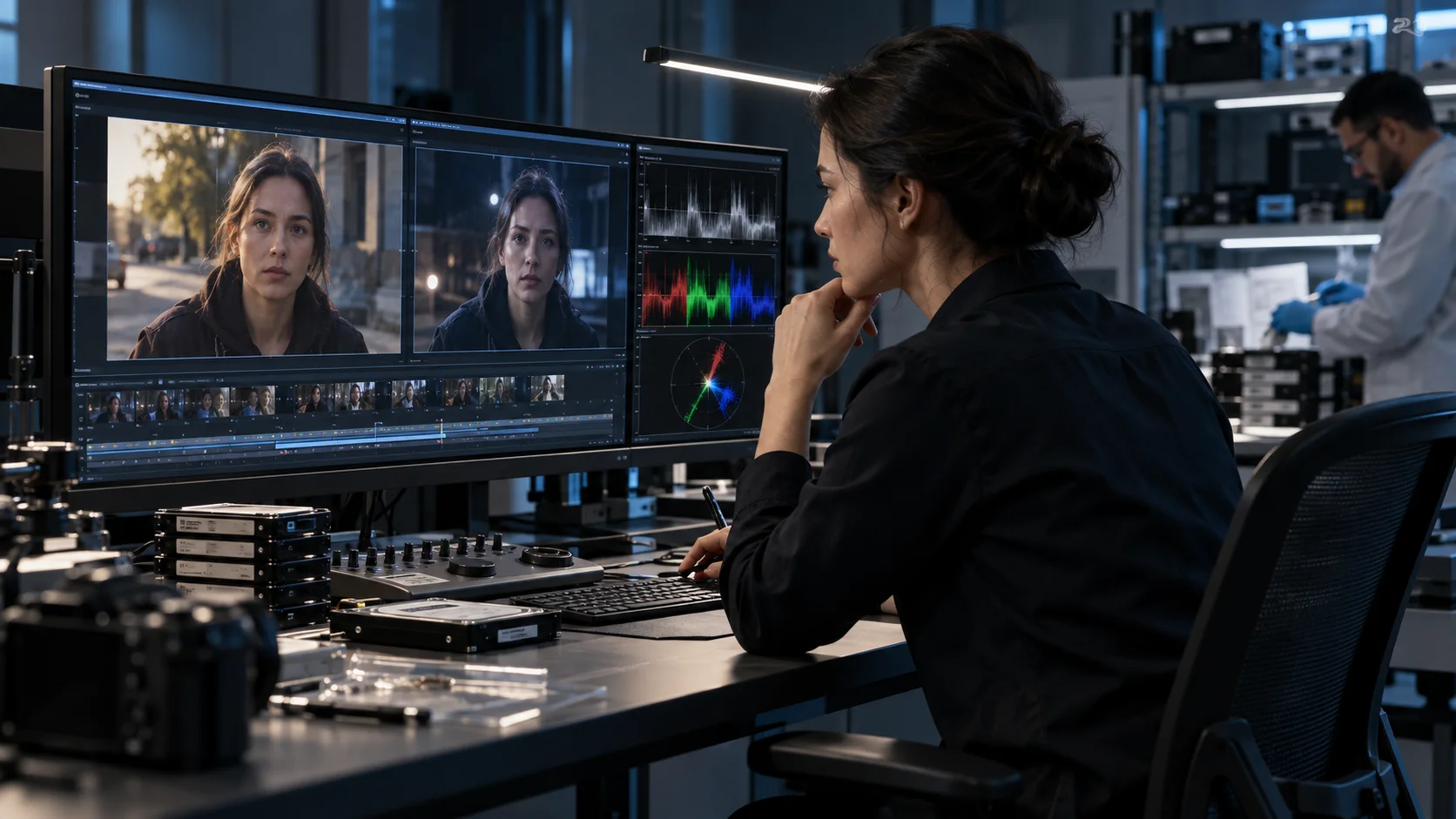
Deepfakes—synthetic media created with artificial intelligence—are increasingly realistic and easy to produce. When a video, audio clip, or image is suspected of being manipulated, the way you handle it can determine whether it remains useful as evidence. Deepfake evidence preservation is the process of capturing and maintaining suspected synthetic media, along with its context, so that its authenticity and integrity can be examined later. This article explains why preservation matters, how to do it carefully, and when to involve a professional.
Why deepfake evidence is fragile
Digital files are easy to alter, and deepfakes add a layer of complexity: the file itself may be entirely synthetic, or it may be a real recording that has been manipulated. In either case, the original file, its metadata, and the circumstances of its creation and distribution are all potential evidence. Without proper handling, that information can be lost or compromised.
Common risks include:
- Overwriting or deletion: Saving over a file, clearing a device, or letting an app auto-delete messages can destroy the original.
- Loss of metadata: Screenshots and re-saved files often strip timestamps, device information, and other metadata that may help establish origin.
- Alteration by viewing or sharing: Opening a file in some applications can modify it; forwarding it through messaging apps may compress or reformat it.
- Chain-of-custody gaps: If you cannot show who handled the file and how, its value in a legal proceeding may be challenged.
Preservation aims to minimize these risks by capturing the file and its context in a way that can be verified later.
First steps when you encounter suspected deepfake media
If you believe you have received or discovered a deepfake—whether it targets you, a client, or someone else—act promptly but carefully. The goal is to preserve, not to investigate on your own.
1. Do not delete or forward the original
Resist the urge to delete the message or file, even if it is upsetting. Do not forward it to others or upload it to public platforms, as this can alter the file and complicate preservation. If the content is on a social media platform, avoid interacting with it beyond what is necessary to preserve it.
2. Capture the context
Context is often as important as the file itself. Take screenshots or screen recordings that show:
- The platform or app where the content appeared
- The account name, handle, or phone number associated with it
- Timestamps and dates
- Any surrounding messages or posts that give meaning
- URLs, if applicable
Use a separate device to photograph the screen if necessary, but also preserve the digital original.
3. Preserve the original file without opening it
If possible, save the original file to a secure location without opening it in a media player or editor. On a computer, you can copy the file to a new folder on an external drive. On a phone, avoid using “save” features that may re-encode the file; instead, use built-in export or share options that preserve the original, or consult a professional.
4. Document your actions
Keep a written log of what you did, when, and on which device. Note any changes to the file or device. This log can become part of a chain-of-custody record.
Technical preservation methods
For matters that may lead to litigation or a formal investigation, more rigorous preservation is advisable. The following methods are commonly used by digital forensics professionals; some can be performed by a technically adept individual, but the risk of error is high.
Forensic imaging
A forensic image is a bit-for-bit copy of a storage device or a specific file. It captures all data, including deleted files and metadata, without altering the original. Tools that create forensic images also generate a hash value—a digital fingerprint—that can later verify the copy is identical to the original. If you need to preserve an entire phone or computer, imaging is often the first step.
Hash values
A cryptographic hash (such as SHA-256) is a unique string of characters generated from a file. If the file changes even slightly, the hash changes. Recording the hash of a suspected deepfake file at the time of collection helps demonstrate that it has not been altered since. Free tools exist to compute hashes, but using them correctly requires care.
Metadata extraction
Metadata can include creation date, device make and model, software used, and GPS coordinates. It can be useful for establishing authenticity or revealing manipulation, but it can also be incomplete or misleading. Extract metadata using forensic tools rather than relying on file properties windows, which may not show all fields.
Secure storage
Store preserved files on write-once media or in a secure, access-controlled environment. Keep multiple copies in separate locations, and document who has access. Avoid storing evidence only on a personal device that could be lost or compromised.
Legal and ethical considerations
Preserving deepfake evidence often intersects with legal issues. In California, for example, there are laws addressing the use of deepfakes in certain contexts, such as elections and nonconsensual sexual imagery. However, the legal landscape is evolving, and this article is not legal advice. If you are involved in a dispute or potential litigation, consult an attorney promptly.
Also consider privacy and consent. Preserving and sharing intimate or personal media carries ethical and legal risks. Limit access to those who need it, and follow applicable laws regarding recording and distribution.
What preservation can and cannot do
Preservation is not the same as authentication. Properly preserved evidence can be examined by a forensic expert to determine whether it is authentic, manipulated, or synthetic. But preservation alone does not prove a deepfake; it only ensures that the material and its context are available for analysis. Similarly, no preservation method can guarantee that a deepfake will be identified or that a particular outcome will follow.
Analysis of deepfakes is challenging. Detection tools are imperfect and constantly evolving, and a skilled manipulator may leave few traces. An expert may need to examine multiple aspects: visual artifacts, audio inconsistencies, metadata, and the broader context of distribution. In some cases, it may not be possible to reach a definitive conclusion.
When to seek professional help
Consider engaging a digital forensics professional or a private investigator experienced with digital evidence if:
- The matter may lead to litigation, a criminal complaint, or a regulatory action.
- The deepfake involves a business, public figure, or significant financial or reputational harm.
- You need to preserve evidence from devices you do not control or from platforms that may delete content.
- You require a chain of custody that will withstand scrutiny.
- You need expert analysis to determine whether media is authentic.
Professionals can also help with legal holds, coordinate with counsel, and provide expert witness testimony if needed. In Southern California, resources for digital forensics and cybersecurity are widely available; choose a provider with relevant experience and clear credentials.
For related guidance, see our pages on digital forensics, cybersecurity, and expert witness services. If you are unsure whether you need assistance, contact us to discuss your situation.
Frequently asked questions
Can I preserve a deepfake by taking a screenshot?
A screenshot can capture context, but it is not a substitute for preserving the original file. Screenshots often lose metadata and may not capture the full resolution or audio. Use screenshots as supplements, not replacements.
How do I know if a video is a deepfake?
You cannot reliably tell by looking. Some deepfakes have visual or audio artifacts, but many do not. Only forensic analysis can provide a professional opinion, and even then, certainty may not be possible. Avoid making accusations based on appearance alone.
What should I do if a deepfake is posted on social media?
Preserve the content and context first, then report it to the platform. Do not engage with the poster. If the content is harmful or illegal, contact law enforcement. Consider consulting an attorney about your options.
Is deepfake evidence admissible in court?
Admissibility depends on many factors, including relevance, authenticity, and chain of custody. Proper preservation improves the likelihood that evidence will be considered, but courts decide case by case. Consult an attorney for legal advice.
Can I preserve evidence on my own?
You can take initial steps, but for anything beyond a minor matter, professional preservation is safer. Mistakes can irreparably damage evidence. When in doubt, seek help.